
First person in, three times.
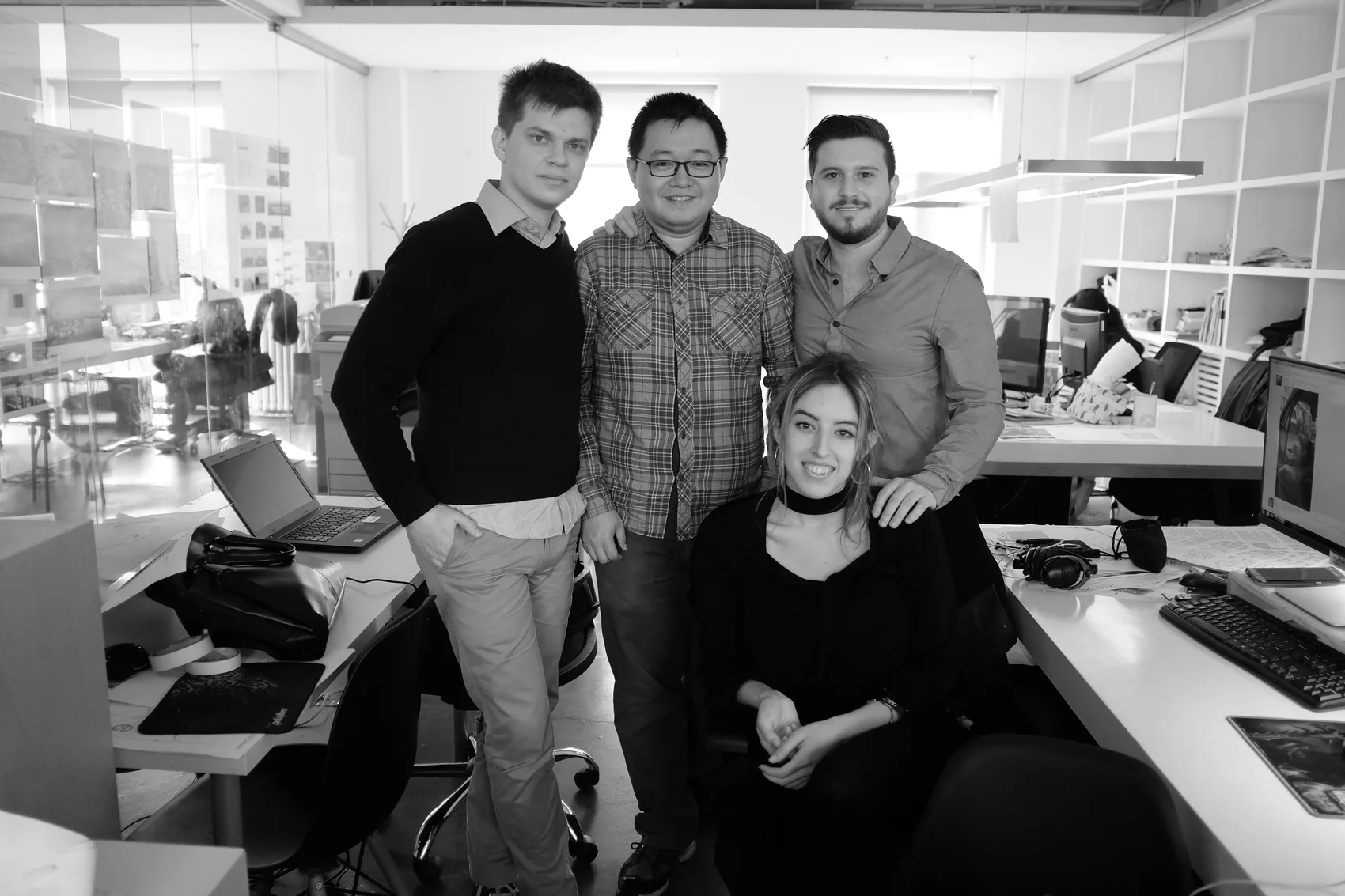
The first hire at a Chinese architecture firm’s Polish office, set up in Poland from zero. One of two co-founders of MAD Architects’ computational design group in Beijing. The first product person in Heineken’s Global Analytics & AI Hub. Each time, the hard part wasn’t building the thing. It was getting people to use it.







Decision tools people actually use
Heineken spends about €7.9 million on marketing and sales a day. Someone decides where every one of those euros goes. The models were ready early. The people deciding still trusted their spreadsheets more.
Allocation AI
Where to spend the marketing budget.
- Bayesian allocation across markets, brands and channels.
- More profitable spend with incremental gross profit reported in Mexico, Brazil and the Netherlands.

Promo Advisor
What to promote, and how.
- Diagnostics and simulation so every promotion is tested before it launches.
- Calendar optimisation across the year, scored on whether each promotion pays back.

Smart Flighting
When campaigns run, week by week.
- Timing on response curves tested week by week before media is booked.
- The Excel process, retired and replaced with a simulator media teams plan in.

Then the measured lift decides next year’s budget.
Three edges, one centre.
I trained as an architect and wrote the parametric tools behind double-curved facades in Beijing. I spent five years in China. Based in Guizhou as the client-facing lead, I brought in a ~70M RMB residential project in Mandarin, with a design team in Poland behind me. Now I build with AI agents, hands-on, every day. Product is where the three meet: I can shape what people see, earn the trust of the people who will use it, and build the first version myself.
One person, a few agents.
I build with Claude Code and AI agents. Spec first: I write the spec, coding agents build, and I review every change. One rule across everything: the model reads and summarises, deterministic code decides.
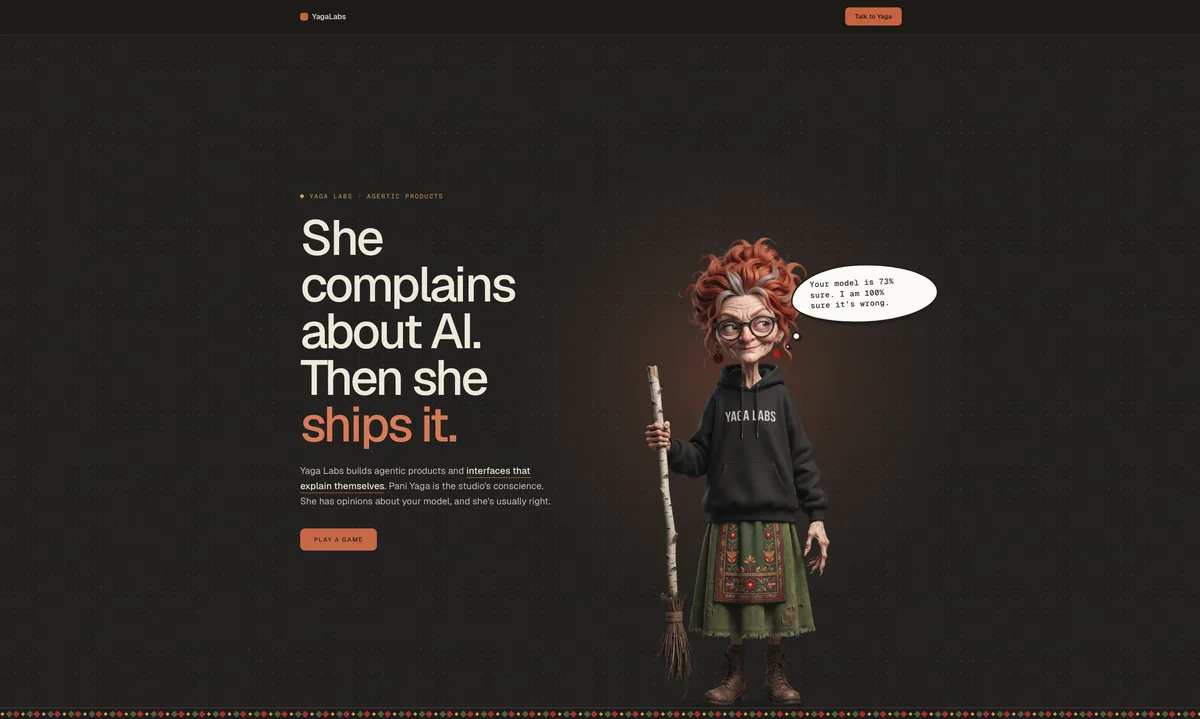
Yaga Labs
An agentic coding lab focused on AI transformation.
- Agents, small AI tools and black boxes you can argue with.
- Pani Yaga is its conscience. She has opinions about your model.
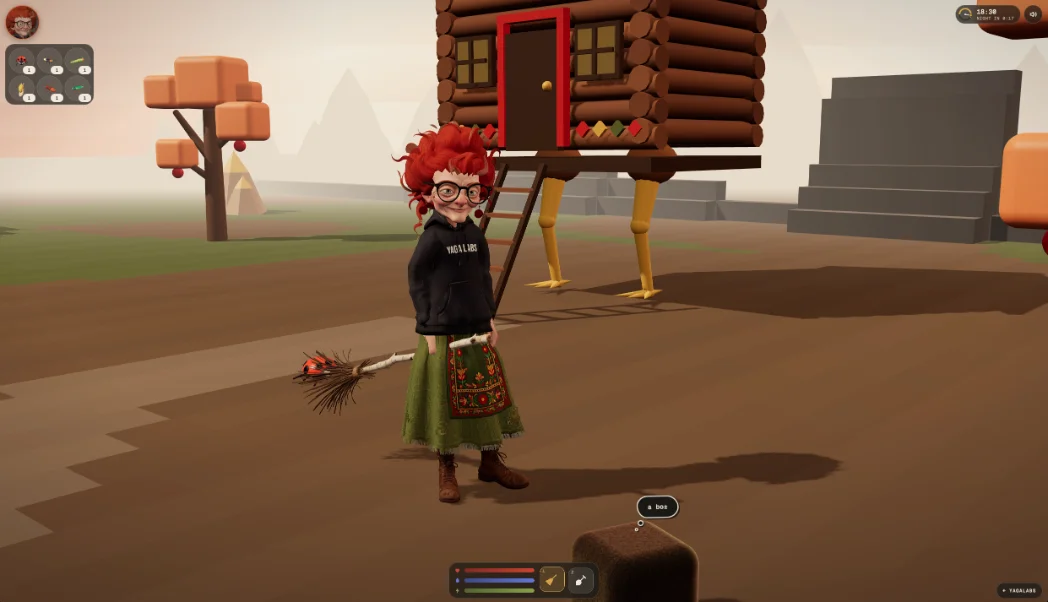
Yaga Farm 3D ↗
A browser farming game, used as a sandbox for AI agents that steer creatures and generate worlds. In progress.
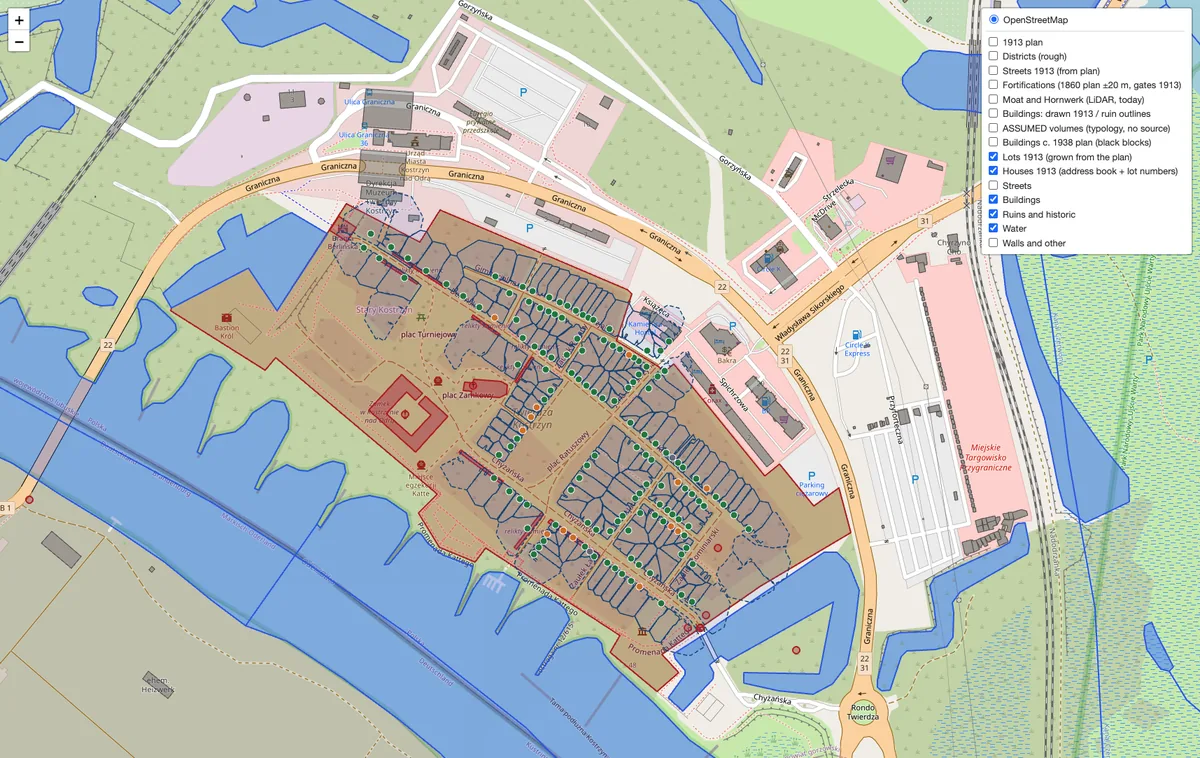
Old Kostrzyn Reconstruction ↗
The old town and fortress of Küstrin, destroyed in 1945, being rebuilt to walk through. Built from the 1913 plan and address book, the 1860 fortification plans and today’s LiDAR.
AI Elliott Wave Reader ↗
Systematic trading research: ranks the three most probable wave counts per time frame, each with its confidence. In progress.
Back in China, the fitness function was the eval.
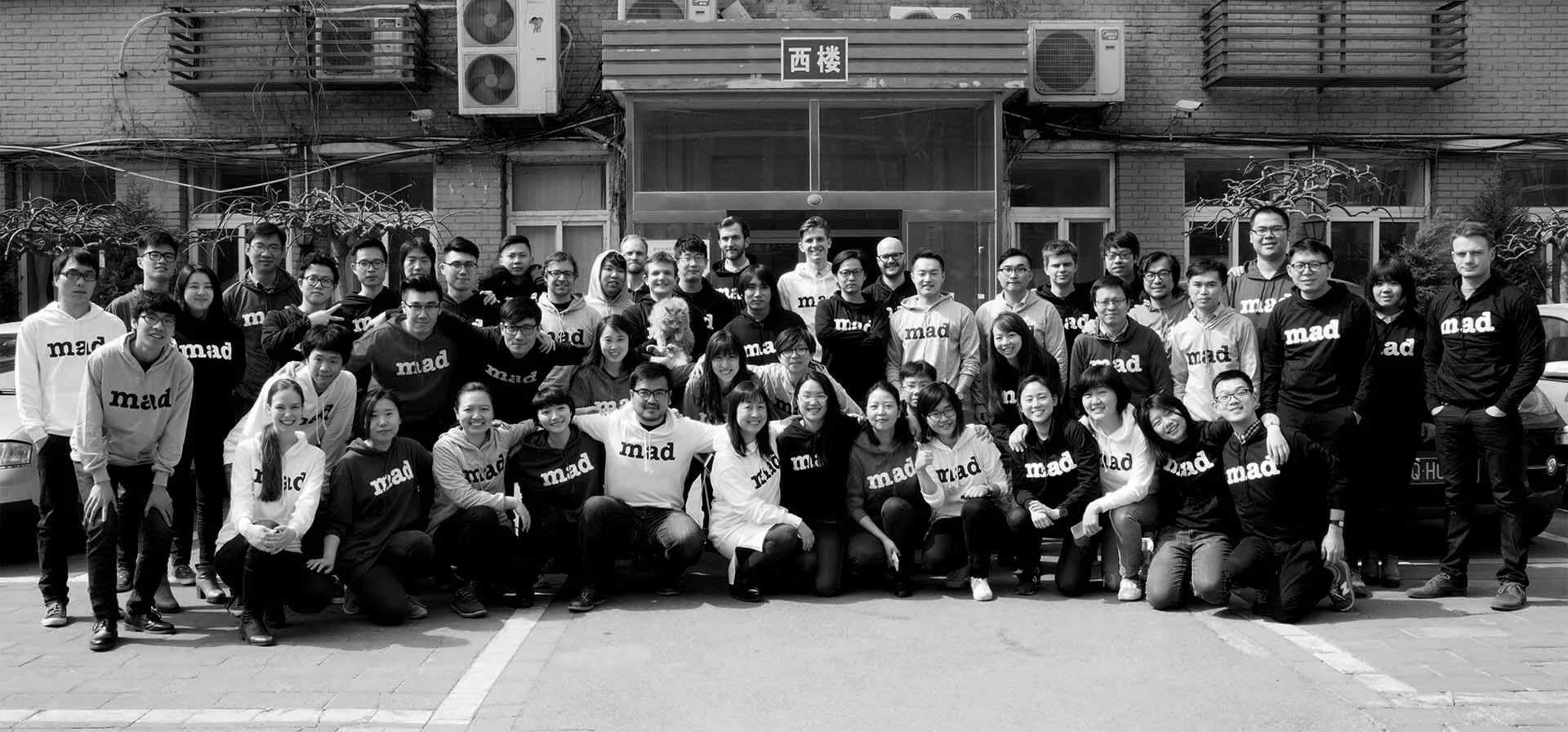
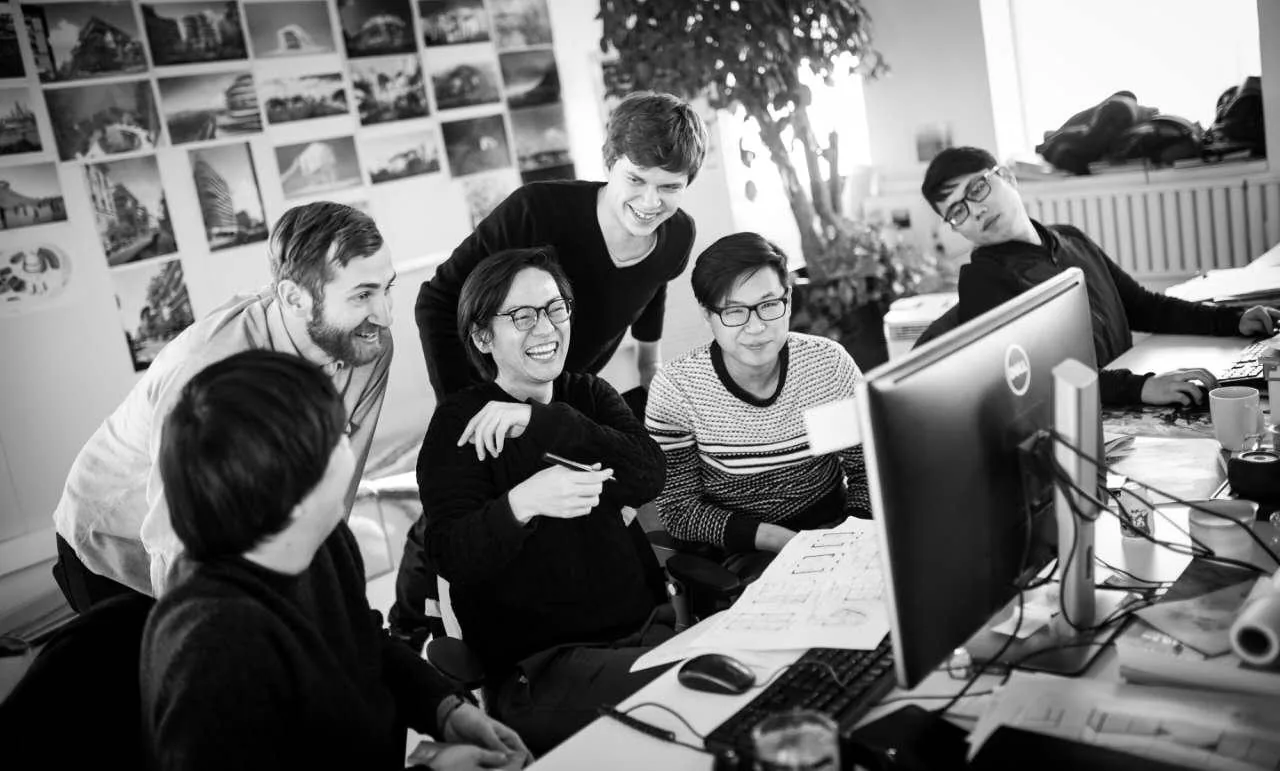
Five years working in China, back and forth ever since. I wrote the scripts behind a facade and an opera house interior at MAD, and competition wins at AREP. A decade before “AI agent” was a phrase, I was building evolutionary solvers that bred building geometry from a fitness function.
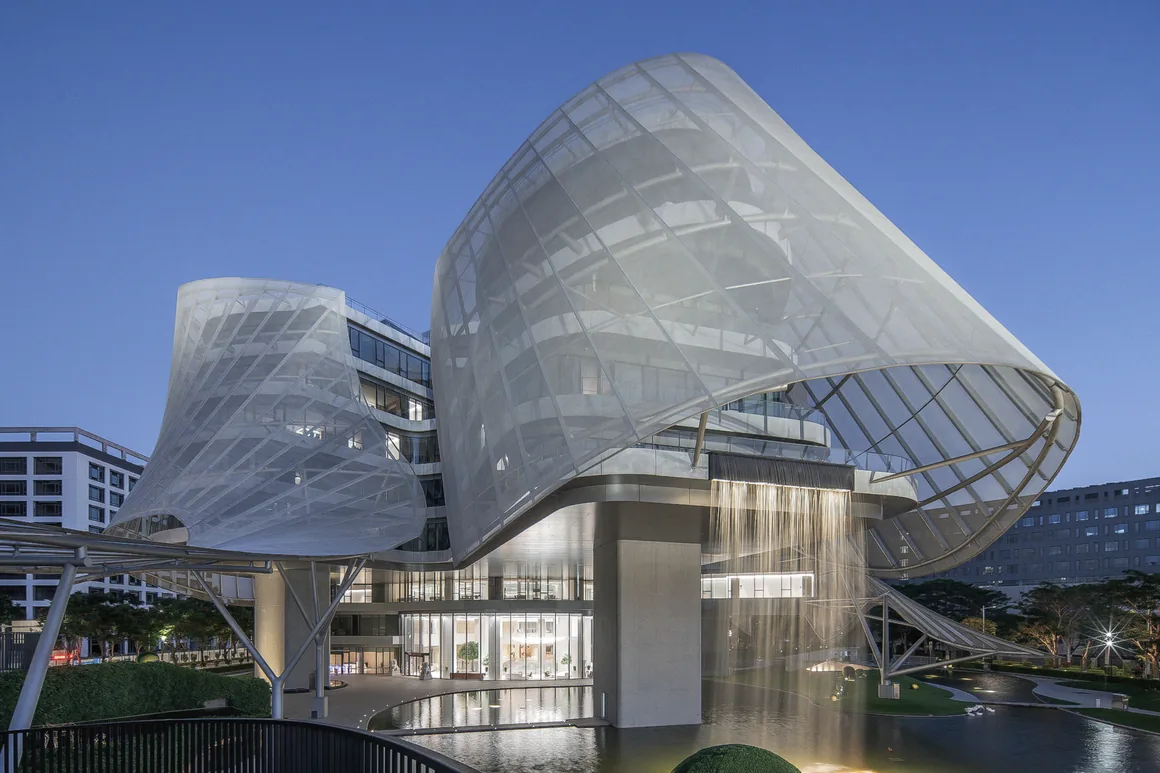
Xinhee Design Center ↗
The parametric model behind the double-curved PTFE membrane facade, optimising membrane cost and buildability at once.

Harbin Opera House
Parametric timber interior, detailed down to fabrication.
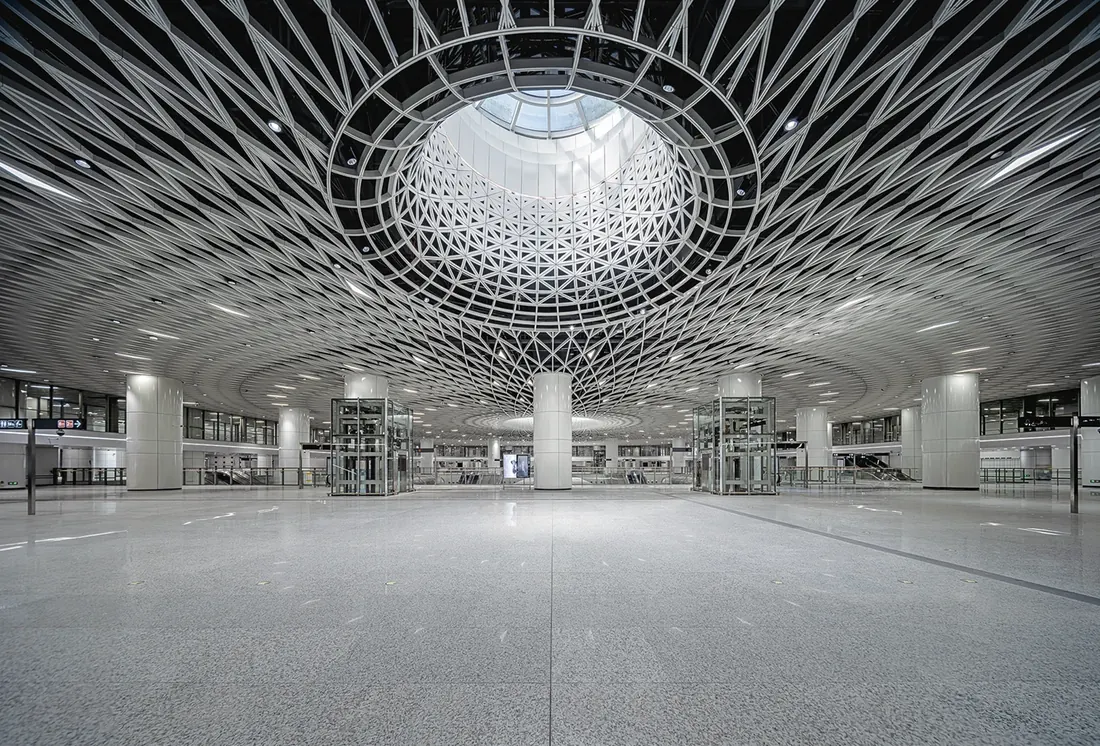
Gangxia North hub
Parametric skylights and entrances for the competition win.
The Xinhee facade, evolving
An evolutionary solver breeds the membrane geometry, scoring every generation on cost and buildability.
Optimal was easy. Buildable was the job.
Got a black box nobody uses?
Tell me what it predicts and who ignores it. I’ll tell you what I’d build first.